Heads up: WhatsVegetarian may earn a commission if you buy through some links on this page, at no extra cost to you. We only point you to things we would actually use.
This plant based diet guide gives you the concrete stuff most articles skip: real menu items you can order today, exact protein numbers, the sneaky animal ingredients hiding in “vegetarian” food, and the one supplement you can’t skip. A plant-based diet centers your meals on plants like beans, grains, vegetables, fruit, nuts, and seeds. You don’t have to be perfect or label yourself anything to eat this way. If you want restaurant-by-restaurant help after this, browse our restaurant guides or start at the What’s Vegetarian homepage.
Some links in this guide are Amazon affiliate links. If you buy through one, we may earn a commission at no cost to you. Read our affiliate disclosure for how we choose what to link.
Plant-based vs. vegetarian vs. vegan: what you actually eat
The three terms aren’t the same, and the difference is simple. Plant-based usually means your diet is built around plants, though some people still eat the occasional animal product. Vegetarian skips meat and fish but keeps dairy and eggs. Vegan drops all animal products, including dairy, eggs, and honey.
Pick the version that fits your life. You can eat plant-based meals five days a week and still call yourself a meat-eater. Most people land somewhere on this spectrum rather than at the strict end, and that’s fine.
How many people actually eat this way
Strict veganism is small, but plant-based eating is mainstream. Gallup’s most recent poll on the question found 4% of U.S. adults identify as vegetarian and 1% as vegan (Gallup). Those numbers have held roughly steady for years.
The bigger story is the plant-curious majority. A 2025 Vegetarian Resource Group/YouGov poll found about 1% of adults are vegan and roughly 3% are vegetarian, but 30% always, usually, or sometimes eat vegan meals, and 5% do so always or usually (VRG). Far more people eat plant-based meals than identify as vegan. That’s the crowd this guide is really for.
How to get enough protein (with exact numbers)
You can hit your protein target easily without meat. The trick is leaning on legumes, soy foods, and a few high-protein seeds. Here’s the cheat sheet, with grams pulled straight from Healthline‘s roundup of plant proteins.
| Food | Protein | Serving |
|---|---|---|
| Seitan | ~25 g | 3.5 oz (100 g) |
| Tempeh, tofu, edamame | 12–20 g | 3.5 oz (100 g) |
| Lentils | 18 g | 1 cooked cup (198 g) |
| Chickpeas / black beans | ~15 g | 1 cooked cup (170 g) |
| Green peas | ~9 g | 1 cooked cup (160 g) |
| Hemp seeds | 9 g | 3 Tbsp (30 g) |
| Nutritional yeast | 8 g | ½ oz (16 g) |
Build a day around these and the numbers add up fast. A cup of lentils at lunch, tofu in a stir-fry at dinner, and a spoonful of hemp seeds on your oatmeal already clears 40 grams. Stocking the pantry? Start with dried lentils and hemp seeds.
Forget the old “protein combining” rule. You don’t have to pair rice and beans at the same meal to get complete protein. The Academy of Nutrition and Dietetics says protein from a variety of plant sources eaten over the course of a day provides all the essential amino acids you need (Forks Over Knives). The author who popularized the combining idea, Frances Moore Lappé, retracted it back in 1981. Eat a mix of beans, grains, nuts, and seeds across the day and you’re covered.
The one supplement you can’t skip: B12

Vitamin B12 is the non-negotiable. It’s made by microorganisms, not plants, so no unfortified plant food is a reliable source (The Vegan Society). If you cut out animal products, you need fortified foods or a supplement. Full stop.
Per Vegan Society and VeganHealth guidance, a common approach is a daily B12 supplement of about 25–100 mcg, or 1,000 mcg twice a week, using the cyanocobalamin form. The exact dosing chart lives in a Vegan Society/VeganHealth infographic, so check both sources for the current figures rather than treating these as medical advice. Talk to your doctor before starting any supplement. If you decide to take one, you can browse B12 supplements on Amazon.
Iron deserves attention too. Your body absorbs only about 10% of the non-heme iron found in plants, a lower rate than the heme iron in meat (Quadram Institute). Pair iron-rich foods like lentils and spinach with vitamin C, such as a squeeze of lemon or some bell pepper, to absorb more. This matters most for menstruating women. Beyond B12 and iron, keep an eye on omega-3 (EPA/DHA), calcium, vitamin D, zinc, and iodine.
Hidden animal ingredients that trip people up
Some “vegetarian-looking” foods aren’t, and the culprits hide behind unfamiliar names. These are the big ones, sourced to PETA’s animal ingredients list and One Green Planet.
- Gelatin — boiled cow or pig skin, bone, and connective tissue. It’s in marshmallows, gummy candies, Jell-O, and some yogurts. It’s also used as a fining agent to clarify some wines and beers, then filtered out, so it won’t show on the label.
- Carmine / cochineal — red dye made from crushed female cochineal insects. Look for “carmine,” “cochineal extract,” or “Natural Red 4” in some juices, yogurts, candies, and red applesauce.
- Isinglass — gelatin from fish swim bladders, used to clarify some beers and wines, especially cask ales. It’s why a beer with no obvious animal ingredient can still fail a vegan check.
- L-cysteine — a dough conditioner often made from duck or chicken feathers or hair. It shows up in many commercial breads, bagels, and fast-food buns, listed as “L-cysteine” or “E920.” A synthetic version exists, so it’s often animal-derived, not always.
- Casein — a milk protein that sneaks into “non-dairy” products like some coffee creamers, dairy-free cheeses, and margarines. The FDA’s “dairy-free” label isn’t standardized, so a product can say dairy-free and still contain casein or caseinate.
- Shellac — resin secreted by the lac insect, used as the shiny “confectioner’s glaze” on some candies, jelly beans, and even waxed fruit and pills.
The takeaway: read labels, and don’t trust front-of-package claims like “dairy-free” on their own. When in doubt, scan it with an app (more on those below).
Plant based diet guide to eating fast food in 2026
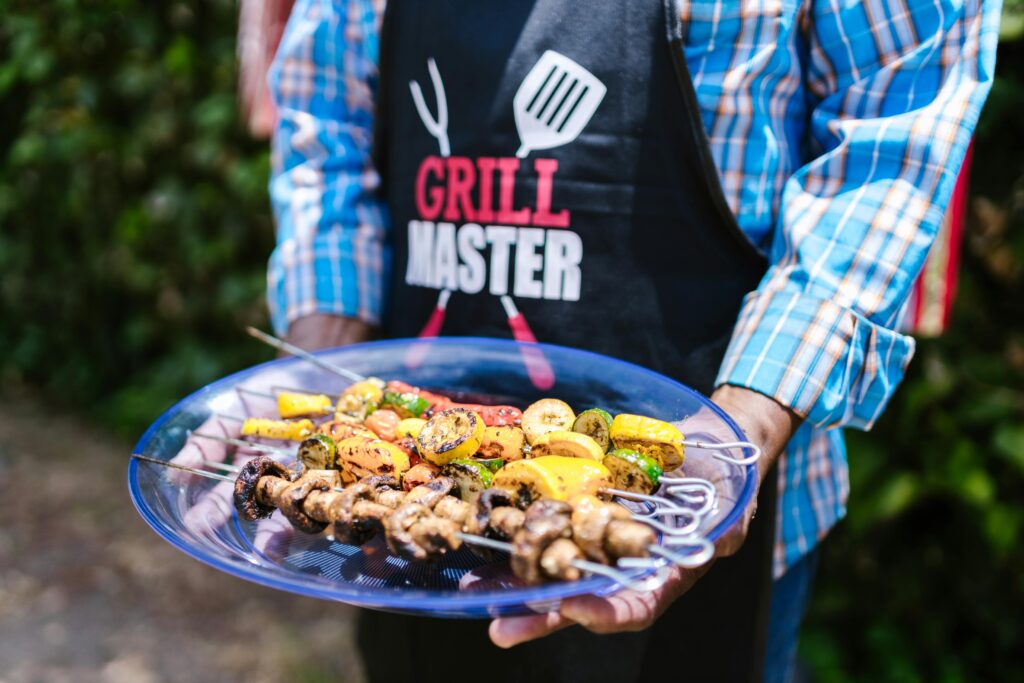
Fast food is more plant-friendly than ever, but you still have to order smart. Here are three reliable chains and exactly how to order at each.
Chipotle
Chipotle is the most consistently plant-friendly major chain. Order a Sofritas bowl, built on tofu-based “sofritas,” with white or brown rice, black and pinto beans, fajita veggies, guac, and pico. A bowl with sofritas plus both beans clears roughly 20 grams of protein (VegNews). For a full breakdown of every plant-based combo, see our Chipotle guide.
Burger King
The Impossible Whopper uses an Impossible plant patty, but it’s not vegan as served. To make it plant-based, ask for no cheese, no mayo, and an unbuttered bun. Heads up: the flame-broiler is shared with meat, so it’s not for strict vegans avoiding cross-contact (Love Her Stuff). Burger King also has surprise plant-based sides: the fries, hash browns, and French Toast Sticks skip dairy in the batter, making BK one of the few chains with a plant-based breakfast option.
Taco Bell
Taco Bell makes it easy because its vegetarian menu is certified by the American Vegetarian Association. Swap meat for beans and order “Fresco style,” which replaces dairy-based ingredients and mayo-based sauces with pico de gallo. The website even has a “Make It Fresco” button that does it for you (Taco Bell). A bean burrito or Black Bean Crunchwrap Supreme ordered Fresco style is an easy plant-based pick.
Want this level of detail for more chains? Our guide to eating vegetarian and vegan at restaurants covers the ordering tricks chain by chain.
What to buy at the grocery store
The plant-based aisle has grown a lot, and a handful of brands lead it. Start your cart with these names you’ll actually recognize: Impossible Foods, Beyond Meat, Gardein, Daiya, Violife, Silk, Alpro, Oatly, Vitasoy, and Califia Farms (Food Digital).
A few 2026 launches worth a look. Impossible Beef and the Impossible Burger now carry NSF Certified for Sport status, meaning they’re screened for banned substances, which is a real credibility signal for athletes (VegNews). Daiya rolled out a dairy-free, gluten-free Taco Mac & Cheese at Walmart, and Oatly brought Matcha Oat Drink and iKaffe Popcorn flavors to the U.S. market (VegNews). Plant milks have gone well past plain.
On milk specifically: fortified soy milk is the closest match to dairy on protein, so it’s a smart default. Brands like Silk, Oatly, Califia Farms, and Alpro give you plenty of options across soy, oat, and almond.
Apps that make a plant based diet guide unnecessary at the store
Three apps cover the two jobs you’ll need: finding food out and checking labels. Each does one thing well (The Minimalist Vegan).
- HappyCow maps vegan, vegetarian, and vegetarian-friendly restaurants and stores in 180+ countries. It’s the standard “where do I eat” app when you’re traveling or just stuck.
- Is It Vegan? scans a product barcode and uses a traffic-light system to flag animal ingredients. It works best for packaged goods in North America.
- Soosee points your camera at the printed ingredient list, Google Translate–style, and highlights questionable ingredients for your chosen filter. It works even when a barcode isn’t in any database.
One quick note: there’s a third-party Android app named “WhatsVegan” that scans ingredients. It is not affiliated with What’s Vegetarian, so don’t confuse the two.
Best U.S. cities for plant-based food
If you’re choosing where to live or travel, some cities are far easier than others. WalletHub’s 2026 ranking scored the 100 largest U.S. cities across 17 metrics covering affordability, diversity and quality, and lifestyle. Here’s the top 10 in order (WalletHub).
- Portland, OR
- Los Angeles, CA
- Austin, TX
- San Francisco, CA
- Oakland, CA
- Phoenix, AZ
- Miami, FL
- Seattle, WA
- Orlando, FL
- Madison, WI
The demand behind the numbers is real. Portland diners order vegan and vegetarian food 148% more often than the U.S. average, and the city even has a “vegan mini-mall.” Los Angeles residents order plant-based options 187% more often than average and have an estimated 1,000 or so plant-based restaurants (Veggies Abroad). Notably, New York didn’t crack the top 10, landing at #15, dragged down mostly by high restaurant and grocery costs (VegNews).
Visiting NYC anyway? The East Village, Williamsburg in Brooklyn, and Greenwich Village are the standout vegan-dense neighborhoods to aim for.
Is a plant-based diet expensive?
It doesn’t have to be. Beans, lentils, rice, oats, and seasonal produce are among the cheapest foods in the store, and they’re the backbone of plant-based eating. The “it’s expensive” reputation comes from premium mock-meats and specialty cheeses, which are treats, not staples.
Cook from the protein cheat sheet above and you’ll spend less than a meat-centered grocery run, not more. Save the Impossible and Beyond products for when you want them, and let dried legumes do the heavy lifting the rest of the week. Want a cookbook to cook from? Browse beginner plant-based cookbooks on Amazon.