Looking for bb.q Chicken vegetarian options? The honest answer is that they’re thin. This is a Korean fried chicken chain built almost entirely around chicken, and most of its Korean sides use fish sauce or shellfish-based seasoning. A handful of sides and a couple of sauces are genuinely meat-free, though (see more on what about the vegetarians across other chains). This guide walks through exactly what those are, what to skip, and why.
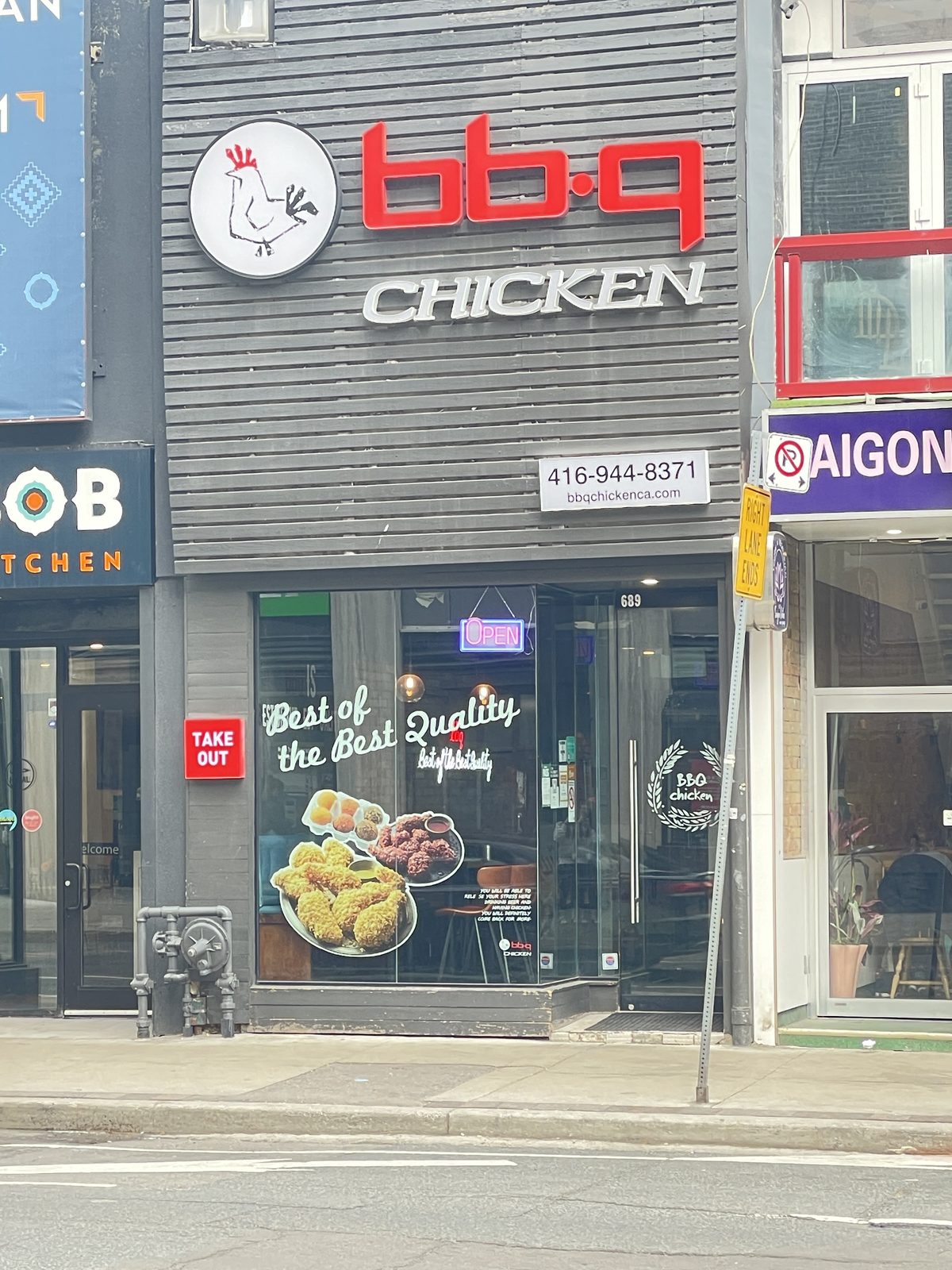
A Quick Look at bb.q Chicken
Chairman Yoon Hong-geun founded bb.q Chicken in 1995 in South Korea and later built it into what’s now called Genesis BBQ Group. Despite the name, bb.q doesn’t stand for barbecue. The company says it stands for “Best of the Best Quality.” It’s really a Korean fried chicken concept. Chicken gets tossed in sauces like soy garlic and honey garlic here, not smoked over coals.
bb.q made an early attempt at the US market around 2007. A real buildout followed in 2014, when Bbdotq USA, Inc. opened its first American restaurant under direct investment out of Fort Lee, New Jersey. Growth has picked up fast since then. Unit count grew more than 10 percent in 2025 alone, with sales up nearly 25 percent. That made bb.q one of the fastest-growing chicken chains in the country, and it passed 250 US locations by February 2026. Locations cluster heavily in California, New Jersey, and Texas, with strong followings in Los Angeles, Orange County, and Bergen County. Parent company Genesis BBQ Group runs roughly 3,500 stores across 57 countries worldwide.
bb.q Chicken Vegetarian Options: What to Order
bb.q Chicken publishes a detailed allergen list for its US menu. It’s the most reliable way to sort real bb.q Chicken vegetarian options from what only looks meat-free. A couple of notes before the table. Chicken itself isn’t tracked as an FDA allergen. A clean allergen listing doesn’t automatically mean an item is vegetarian, so you still have to check the dish itself. Also, the company discloses that everything is cooked in a shared kitchen where pork, chicken, beef, fish, and shellfish can cross-contact any item, sides included.
| Menu Item | Vegetarian | Vegan |
|---|---|---|
| Corn Salad | ✅ Yes | ❌ No (eggs) |
| Corn Cheese | ✅ Yes | ❌ No (milk, eggs) |
| Coleslaw | ✅ Yes | ❌ No (eggs) |
| bb.q Cheese Ball | ✅ Yes | ❌ No (milk) |
| So Ddeok So Ddeok (cheese rice cake skewer) | ✅ Yes | ❌ No (milk) |
| Tofu Rice Salad | ✅ Yes | ⚠️ Check (shared kitchen) |
| Tofu Salad Bowl | ✅ Yes | ⚠️ Check (shared kitchen) |
| Honey Garlic / Soy Garlic / Gangjeong sauce (as a dip, not on chicken) | ⚠️ Check (no fish/shellfish/beef declared, but sauced dishes touch chicken) | ❌ No |
| Tofu Rice Bowl | ❌ No (declares beef) | ❌ No |
| Ddeok-Bokki (rice cakes) | ❌ No (fish, shellfish) | ❌ No |
| Kimchi Fried Rice | ❌ No (shellfish, fish, beef) | ❌ No |
| Fried Dumpling | ❌ No (pork) | ❌ No |
Sides You Can Actually Order
Most of the real bb.q Chicken vegetarian options live in the sides section, not the entrees. Corn Salad, Corn Cheese, Coleslaw, and the various cheese balls (bb.q Cheese Ball, Cheesling Cheese Ball, Cheesling Fries) never claimed to be chicken in the first place. Each one lists only egg, milk, wheat, and soybean on the company’s allergen chart, with no fish, shellfish, beef, or pork declared as ingredients. So Ddeok So Ddeok, a grilled rice cake and cheese skewer, is also in that clean column. None of these are vegan, since most carry egg or milk. Still, they’re the closest thing to a real vegetarian side dish here.
The Tofu Dishes: Read the Fine Print
Two of the more promising bb.q Chicken vegetarian options came from a menu update rather than the original lineup. Tofu Rice Salad and Tofu Salad Bowl both list only soybean, wheat, and sesame on the allergen chart, nothing that points to meat or fish. Here’s the catch. A similarly named dish, Tofu Rice Bowl, is not the same thing, and it declares beef as an ingredient. Don’t assume every “tofu” item on the menu is meat-free just because of the name. Always double check the exact dish before you order.
Sauces: What’s Actually Vegetarian-Safe
Sauce choice matters a lot when you’re weighing vegetarian options at bb.q Chicken, since it’s what most dishes are named and sold on. And the sauces vary a lot in what they contain. Honey Garlic, Soy Garlic, and Gangjeong are the cleanest on paper, declaring only wheat and soybean allergens with no fish, shellfish, or beef listed. Golden Original, Secret Sauce, and Hot Spicy all declare beef and shellfish instead. That’s a strong sign they use a fish- or oyster-based glaze, common in Korean cooking. Galbi and Spicy Galbi both declare shellfish too. None of this makes a sauce vegetarian on its own, since every one of them is made to go on fried chicken. But if you’re picking the flavor built on the fewest animal ingredients, go with Honey Garlic or Soy Garlic.
The K-Food Menu Is Mostly Off Limits
Almost every item in bb.q’s Korean comfort food section carries a declared fish, shellfish, beef, or pork allergen. Ddeok-Bokki, the spicy rice cake dish, lists fish and shellfish, consistent with the fish cake that’s traditionally part of tteokbokki. Kimchi Fried Rice lists shellfish, fish, and beef too. That confirms the kimchi itself likely contains fish sauce, a common but often overlooked ingredient in commercial kimchi. Bulgogi Japchae lists shellfish, fish, pork, and beef. Jjim Dak, the mild braised chicken dish, only lists soybean and wheat on the allergen chart, but it’s a chicken stew by name and recipe. Don’t read a clean allergen line as a green light. Basically, if you see “kimchi,” “bulgogi,” or “jjim dak” anywhere on the menu, it’s off the table.
What’s Vegan at bb.q Chicken?
Realistically, nothing on the bb.q Chicken menu is confirmed vegan. Tofu Rice Salad and Tofu Salad Bowl are the two cleanest tofu items, and they avoid dairy and egg on the allergen chart. But the company’s own cross-contact disclosure covers the whole kitchen. Any dish can come into contact with milk, egg, fish, shellfish, pork, chicken, or beef during prep. Strict vegans should treat bb.q Chicken as a place to skip rather than a place with a workaround.
Special Dietary Requirements and Allergies
bb.q Chicken publishes its own allergen disclosure, and it’s worth reading closely before you order. Company language states plainly that “all items are prepared in the same kitchen, and cross-contact may occur.” Milk, eggs, peanut, tree nuts, pork, chicken, beef, fish, and shellfish all appear on that cross-contaminant list, sides included. No dedicated fryer statement exists, so it’s not clear whether sides like fries or cheese balls are cooked in oil that’s ever touched chicken. Call the specific location before you go if cross-contact is a hard limit for you rather than a preference. One more thing to watch for: kimchi, plus any sauce with a red or brown glaze. Several of bb.q’s Korean-style sauces and sides use fish sauce or oyster-based seasoning that isn’t obvious from the name.
Tips for Vegetarians at bb.q Chicken
A little planning goes a long way with bb.q Chicken vegetarian options, since the menu doesn’t make it obvious what’s safe at a glance. Keep these in mind before you order.
- Stick to Corn Salad, Corn Cheese, Coleslaw, the cheese balls, and So Ddeok So Ddeok. These are the only items with no fish, shellfish, beef, or pork on the allergen chart.
- Order Tofu Rice Salad or Tofu Salad Bowl, not Tofu Rice Bowl. These names are close, but only one of them declares beef.
- Skip anything described as kimchi, bulgogi, or galbi. Commercial kimchi at bb.q contains fish, and the galbi-style sauces declare shellfish.
- Ask before ordering Ddeok-Bokki. The rice cakes look meat-free but the sauce is built on fish and shellfish.
- Call ahead if cross-contact matters to you. bb.q’s own allergen disclosure says the whole kitchen shares surfaces and there’s no separate vegetarian prep area.
- Don’t expect a vegan option. Every clean item still carries egg or milk, or falls under the kitchen’s shared cross-contact notice.
- Treat bb.q Chicken as a side-dish stop, not a full meal. There isn’t a vegetarian entree on the current US menu.
Conclusion
bb.q Chicken is upfront that it’s a chicken restaurant first, and bb.q Chicken vegetarian options reflect that. Stick to Corn Cheese, the cheese balls, and the two clean tofu dishes. Skip the kimchi and the K-food section, and call ahead if cross-contact is a hard limit. Our full guide to eating vegetarian and vegan at restaurants covers more chains with the same kind of side-dish math, and every restaurant guide we’ve published is browsable too. Craving Korean fried chicken with more vegetarian breathing room? Our guide to Bonchon’s vegetarian options is worth a look, and Gen Korean BBQ’s vegetarian options cover a different side of Korean dining. Fans of crowd-pleasing fried chicken chains can also check what’s vegetarian at Slim Chickens.