Looking for Bonchon vegetarian options? The short answer: a tofu bibimbap bowl, vegetable potstickers, a plain sesame ginger salad, and a cheese-stuffed corn dog that has no meat in it. Bonchon built its menu around Korean fried chicken, and most dishes lean toward spicy chicken wings, drumsticks, and strips in soy garlic, spicy, or Korean BBQ flavor. That’s the kind of chain where the vegetarian question matters, and the answer takes a little navigating. Here’s the real menu, the dishes that look meatless but aren’t, and what to order instead.
A Quick Look at Bonchon
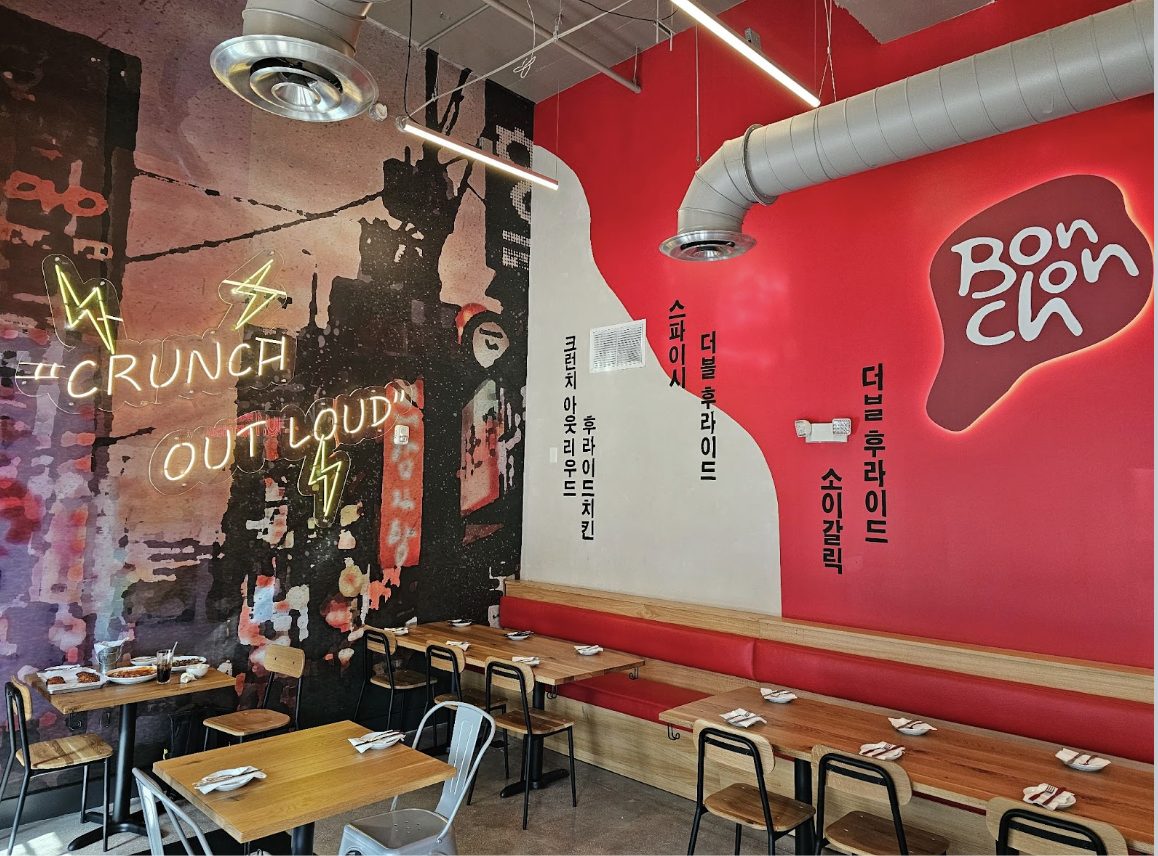
Bonchon started in 2002 in Busan, South Korea, founded by Jinduk Seo. The chain made its name on double-fried spicy chicken wings and drumsticks brushed with sauce after cooking instead of before, a technique from Korean cuisine that keeps the skin crisp longer than typical American-style fried chicken. The soy garlic and spicy flavors became the two most popular choices, and the chain still leads with those today. Bonchon opened its first US restaurant in 2010 and has kept growing. Its 150th US location opened in February 2025, and by mid-2026 the company said it was approaching 500 restaurants worldwide.
Ownership has shifted along the way. Seoul-based private equity firm VIG Partners bought a 55 percent majority stake in December 2018, with the founding family keeping the rest. Bonchon moved its US headquarters to Dallas, Texas in 2021, and Suzie Tsai runs the US business as CEO. As of mid-2026, VIG Partners was reportedly running a sale process for the company, with more than 100 interested bidders and a valuation near $2.2 billion, though no buyer had been confirmed as of this writing.
Bonchon Vegetarian Options: What to Order
Bonchon publishes its own allergen and nutrition chart, and it’s the most reliable source for figuring out what’s actually meatless. Every crispy spicy chicken order comes in one of five signature flavors: Spicy, Soy Garlic, Korean BBQ, Yangnyeom, and Classic Crunch. The chicken soy garlic and spicy flavors are the most popular, but those flavor choices don’t change the vegetarian math on the main dishes, since the chicken itself is the issue, not the soy garlic sauce. The table below lists Bonchon vegetarian options by main dish and side, using Bonchon’s own allergen chart as the primary source, cross-checked against the current menu.
| Menu Item | Vegetarian | Vegan |
|---|---|---|
| Bibimbap (Tofu) | ✅ Yes | ⚠️ Check (contains fried egg) |
| House Fried Rice (Plain) | ✅ Yes | ⚠️ Check (contains egg) |
| Vegetable Potstickers | ✅ Yes | ⚠️ Check (shared fryer, wrapper may have egg) |
| Mopo Corn Dog (cheese-filled, not a hot dog) | ✅ Yes | ❌ No (cheese and egg batter) |
| Udon Noodle Soup (Plain) | ✅ Yes | ⚠️ Check (broth recipe not published) |
| Japchae (glass noodles) | ❌ No (comes with beef bulgogi by default) | ❌ No |
| Tteokbokki (spicy rice cakes) | ❌ No (contains fish cake) | ❌ No |
| Kimchi | ⚠️ Check (traditional recipes can use fish sauce) | ⚠️ Check |
| Edamame | ✅ Yes | ✅ Yes |
| Steamed Rice | ✅ Yes | ✅ Yes |
| Pickled Radish | ✅ Yes | ✅ Yes |
| French Fries (plain) | ✅ Yes | ✅ Yes |
| Onion Rings | ✅ Yes | ❌ No (dairy) |
| Seasoned Fries | ✅ Yes | ❌ No (egg/dairy coating) |
| Fried Pickles | ✅ Yes | ❌ No (egg) |
| Coleslaw | ✅ Yes | ❌ No (egg/dairy, mayo-based) |
| Korean Donuts (kkwabaegi) | ✅ Yes | ❌ No (egg/dairy dough, cream dip) |
| Signature Sesame Salad (base, no protein) | ✅ Yes | ❌ No (dairy in dressing) |
| Sesame Ginger Salad (Plain or Tofu) | ✅ Yes | ✅ Yes (no dairy or egg flagged) |
Rice, Noodles, and Bowls
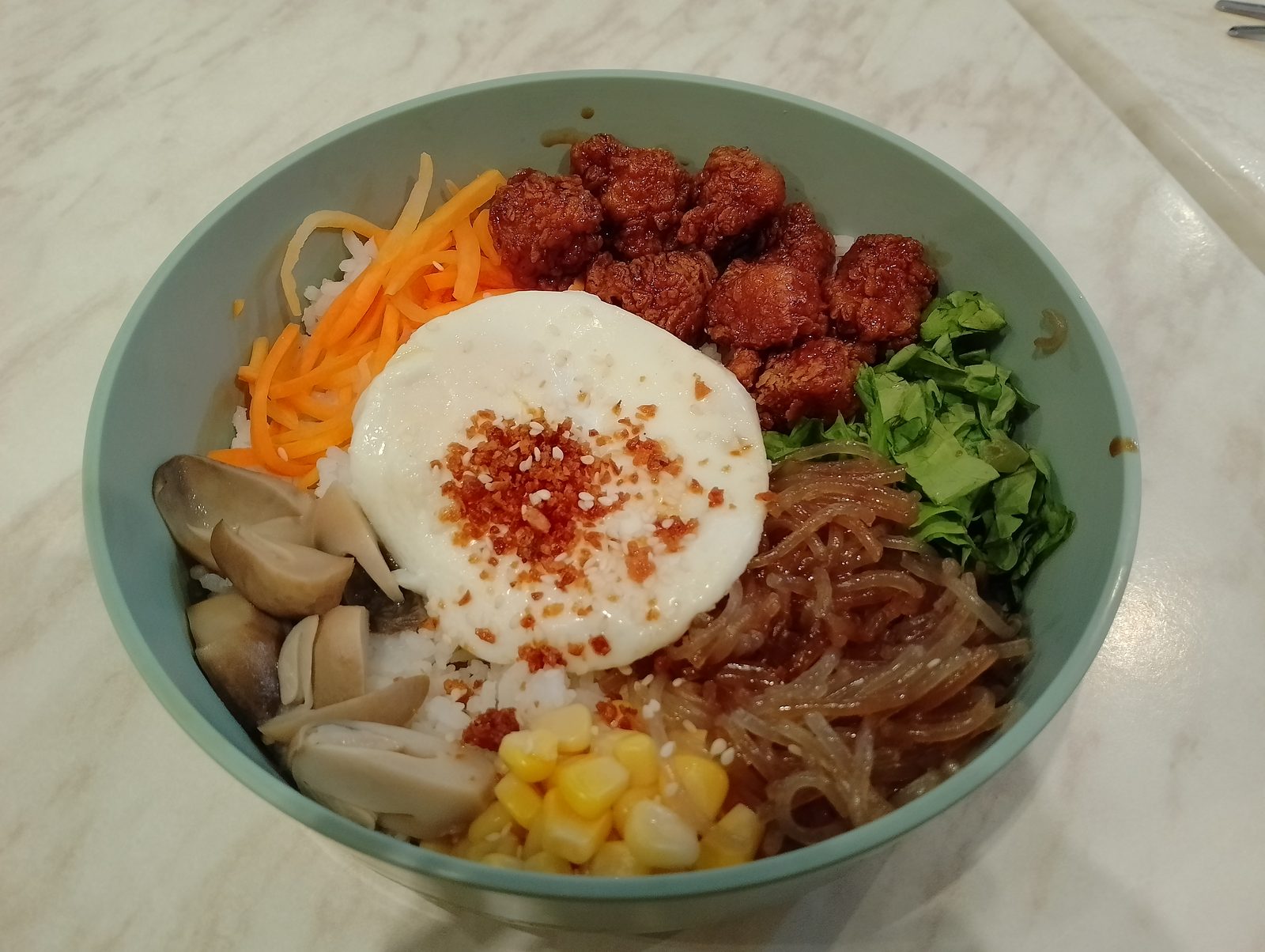
The tofu bibimbap is the most filling standalone vegetarian main dish on the menu. It’s a bowl of seasoned steamed rice topped with marinated vegetables and tofu instead of the default spicy chicken, beef bulgogi, or seafood. The vegetables include cucumber, mushrooms, and other seasoned greens, making it one of the most colorful dishes on the menu. The bowl comes with a fried egg on top, which is standard in Korean cuisine for bibimbap, and garnished with scallions and sesame seeds. The fried egg and scallions are part of the flavor, not an add-on, so vegans should note that. Bonchon’s allergen chart marks the tofu version vegetarian, though not vegan because of the fried egg.
House fried rice, specifically the plain house fried rice, is another savory vegetarian option, built on seasoned rice with egg mixed in during cooking and scallions stirred through. The house fried rice is filling enough to eat as a light main dish, though the egg makes the house fried rice not vegan. Two dishes deserve a specific warning. Japchae, the stir-fried glass noodle dish, comes with beef bulgogi built into the standard recipe at Bonchon, confirmed on the chain’s allergen documentation. Japchae is often a vegetarian-friendly dish in Korean cuisine more broadly, but Bonchon’s version isn’t. And tteokbokki, the spicy rice cake dish, contains fish cake as a standard ingredient and is flagged for seafood on Bonchon’s chart. Skip both unless your location confirms it can remove the meat or fish.
Starters and Fried Sides
Vegetable potstickers are the best appetizers for vegetarians, filled with marinated vegetables instead of the pork or chicken you’d find in most other dishes. Bonchon’s chart marks them vegetarian, though the wrapper can contain egg and most locations fry them in the same oil as crispy spicy chicken wings, so the vegan status is uncertain. The Mopo Corn Dog is worth calling out by name because it sounds like it should have meat and doesn’t. It’s a Korean street food staple, a stick of cheese in a crispy fried batter shell, closer to a mozzarella stick than an American corn dog. It’s one of the better shareable appetizers on the menu for vegetarians, and the flavor is savory and a little sweet, a good bite alongside the other starters.
Plain french fries are the one fried side that clears the vegan bar on Bonchon’s chart, since the seasoning doesn’t add dairy or egg. Seasoned fries are vegetarian but not vegan, since the seasoned coating carries egg or dairy. Onion rings and fried pickles are vegetarian too but both have egg in the batter. Zucchini fries are another vegetarian pick. Korean street corn is vegetarian, built on corn, mayonnaise, and cheese, and it’s a savory and filling side that pairs well with the salads.
Salads You Can Order Meatless
Bonchon runs two different sesame salads, and they land in different places for vegans. The Signature Sesame Salad, ordered without a spicy chicken, bulgogi, or salmon add-on, is vegetarian, but its dressing carries dairy, so it’s not vegan. The Sesame Ginger Salad, in its plain or tofu version, is the better pick if you’re avoiding animal products altogether. Bonchon’s chart doesn’t flag dairy or egg for that dressing, which makes it the one salad on the menu that works for vegans as ordered. Watch the add-on names when you order either one. The spicy chicken, bulgogi, and salmon versions of both salads are not vegetarian dishes.
Side Dishes
Edamame, steamed rice, and pickled radish are all vegan as served, with no substitutions needed. The pickled radish is a classic Korean cuisine side dish that cuts through savory flavors, and it’s one of the side dishes Bonchon almost always serves alongside an order of crispy spicy chicken. Coleslaw is vegetarian but not vegan, since the dressing is mayonnaise-based with egg and dairy. The coleslaw uses a sweet, creamy dressing with a slight tang. It’s a decent coleslaw, and it works as a cooling contrast to spicier dishes, but the coleslaw is not an option for vegans because of the mayo and dairy base. Kimchi is the one side dish worth a second look. Bonchon’s allergen documentation doesn’t clearly flag it as containing fish, but traditional Korean kimchi recipes often use fish sauce or shrimp paste during fermenting, and Bonchon hasn’t published the exact recipe used in its US restaurants. If avoiding fish sauce matters to you, ask your local restaurant before you order it. Miso soup carries the same uncertainty, since the broth base isn’t disclosed.
Desserts
Bonchon keeps its desserts simple. Korean Donuts, known in Korean as kkwabaegi, are the only desserts on the menu at most locations: soft twisted donuts coated in cinnamon and sugar and served with a sweet cream dipping sauce. They’re vegetarian, built on a standard egg-and-dairy dough, so they’re not vegan. The flavor is savory-sweet, somewhere between a churro and a plain donut, and it’s a better bite than most chain desserts. A mochi dessert has shown up at some Bonchon locations as a limited-time item in the past, but it wasn’t a permanent system-wide pick, so don’t count on it. For drinks, some Bonchon locations also offer barley tea or other Korean teas alongside the standard soft drink and juice selection.
What’s Vegan at Bonchon?
Bonchon doesn’t have a dedicated vegan menu and has no plant-based spicy chicken or bulgogi substitute. A 2016 customer petition asking for vegan options never got a public response from the company. That said, vegans can build a real plate here if they know what to order. The clearest vegan dishes are edamame, steamed rice, pickled radish, plain french fries, and the Sesame Ginger Salad ordered without cheese or a protein add-on. That combination gives vegans a savory, filling plate built from classic Korean cuisine side dishes and a light savory salad.
Vegans should skip the fried egg-topped bibimbap and the house fried rice, since both are vegetarian but not vegan. The vegetable potstickers are a grey area for vegans because of the shared fryer and possible egg in the wrapper, and most of the other fried sides carry egg or dairy in the coating. Vegans should also confirm the kimchi situation at their specific location, since the soy garlic and spicy sauce-based chicken dishes are obviously off-limits, and even some seemingly simple side dishes in Korean cuisine can carry hidden fish or shrimp paste.
Special Dietary Requirements and Allergies
Bonchon’s spicy chicken is the whole point of the menu, and most locations use shared fryers for the vegetarian fried dishes too. Vegetable potstickers, plain french fries, and zucchini fries are likely cooked in the same oil as spicy chicken wings and strips at a typical Bonchon, even though the chain doesn’t publish a store-by-store answer to this. If cross-contact with meat is a hard limit, call ahead. Eggs show up in more dishes than you’d expect, including the bibimbap (the fried egg topping), fried rice, fried pickles, and the Mopo Corn Dog batter. Dairy shows up in onion rings and the Signature Sesame Salad dressing. Soy is a base ingredient in most of Bonchon’s signature sauces, including the soy garlic and spicy flavors, and sesame oil or seeds appear across the menu. Garlic is prominent in the soy garlic sauce and appears throughout the Korean cuisine dishes, so both soy and garlic are worth flagging if you’re managing a separate allergy.
Tips for Vegetarians at Bonchon
- Order the tofu bibimbap if you want a filling standalone meal. It’s seasoned rice, marinated vegetables (cucumber, mushrooms, scallions), tofu, and a fried egg in a bowl. Ask for no spicy chicken, bulgogi, or seafood add-on. Vegans should skip the fried egg.
- Ask for the Sesame Ginger Salad, plain or with tofu, if you want a dressing that works for vegans. The Signature Sesame Salad’s dressing has dairy.
- Skip the japchae unless your location confirms it can leave out the beef bulgogi. It comes with bulgogi by default nationwide, per Bonchon’s own allergen chart.
- Skip the tteokbokki unless a location confirms it can be made without fish cake. It’s flagged for seafood on the allergen sheet.
- If you’re vegan, ask whether the fryer used for potstickers and fries also cooks spicy chicken. Most locations share fryers across all dishes.
- Build a full vegan plate from the side dishes: edamame, steamed rice, pickled radish, and a plain Sesame Ginger Salad. Add plain fries for something crispy and savory. The house fried rice is a good add-on too, though vegans should skip it (egg in the house fried rice).
- Call ahead if you want to confirm what’s in the kimchi at your specific store. Traditional Korean kimchi can include fish sauce, and Bonchon hasn’t published its exact recipe.
- If your location offers barley tea, that’s a naturally vegan drink alongside your meal and a classic in Korean cuisine.
Conclusion
Bonchon vegetarian options exist, but they take some navigating on a menu built around crispy spicy chicken and Korean-style fried dishes. If you’re looking for the full Bonchon experience as a vegetarian, the tofu bibimbap with vegetables like cucumber, mushrooms, and scallions topped with a fried egg is the closest thing to a complete meal. Build a plate around the tofu bibimbap, vegetable potstickers, a plain Sesame Ginger Salad, and side dishes like edamame, pickled radish, and steamed rice. Skip the japchae and tteokbokki unless your location confirms they can be made without meat or fish. For more on eating meatless at restaurants generally, see our guide to eating vegetarian and vegan at restaurants. Browse the full restaurant guide library for more chains, or check out what’s vegetarian at Panda Express, Pei Wei, and Wingstop for other Asian-inspired and fried-chicken-focused chains.