The foods that seem vegetarian but arent always include grocery and restaurant staples you’d never suspect: real Parmesan, restaurant refried beans, Worcestershire sauce, even US McDonald’s fries. Most hide a single animal ingredient behind a label that looks clean. Once you know the seven worst offenders and the one question to ask, you can spot them fast. This guide walks through each one with named brands, current details, and a quick label trick, plus a few barcode-scanning apps that do the checking for you. For more on dining out, see our full guide to eating vegetarian and vegan at restaurants.
Why does this keep happening? Animal-derived ingredients sneak in as processing aids, flavorings, and texture helpers, not as obvious chunks of meat. A cheese needs an enzyme to curdle. A candy needs gelatin to set. A sauce gets its savory depth from fermented fish. None of that shows up on the front of the package, so a food can read as meatless while quietly containing pork fat, fish, or insect dye.
About 4% of US adults call themselves vegetarian and another 1% vegan, according to a Gallup poll from March 2025 — a share that’s held roughly steady for two decades. That’s millions of people reading labels, and these hidden ingredients trip up plenty of them. We’ll start with the cheese in your fridge and work through your pantry, your takeout bag, and your candy stash.
1. Real Parmesan cheese
Authentic Parmigiano-Reggiano is not vegetarian. EU rules for the protected designation require it to be made with animal rennet, an enzyme taken from the stomach lining of calves. The calf can’t give up that enzyme without being slaughtered, so any wedge stamped “Parmigiano-Reggiano” comes with a hidden animal ingredient, as Tasting Table explains.
The same goes for traditional Pecorino Romano, Gruyère, Manchego, and Gorgonzola. Here’s the good news: domestic US “parmesan” is often a different story. Many American makers use microbial or vegetable enzymes instead of calf rennet. Check the label for “microbial enzymes” or “vegetable rennet” and you’re fine. Vegetarian Times has a deeper buyer’s guide if you want to vet your whole cheese drawer.
2. Restaurant refried beans
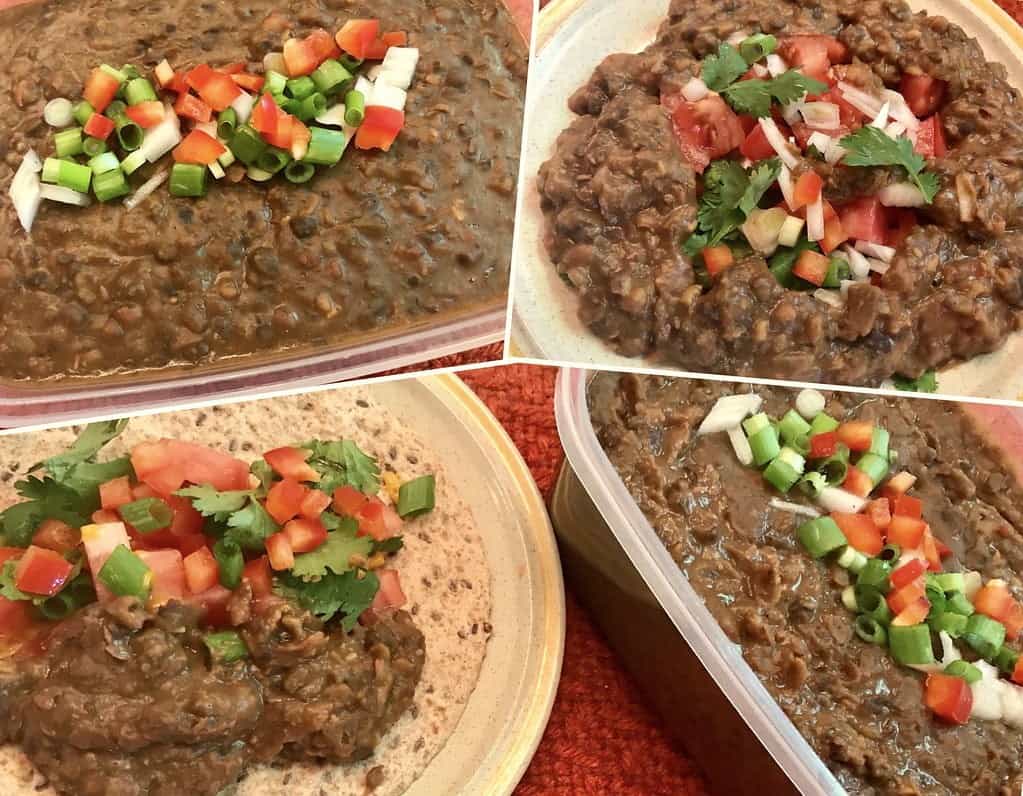
Most traditional refried beans are fried in lard, which is pork fat. Some restaurants also cook their beans in chicken broth. Beans sound like the safest vegetarian order on any Mexican menu, but the way they’re cooked makes them one of the sneakiest items on this list, per Tasting Table.
The fix is one question to your server: “Do your refried beans contain lard?” A few chains make it easy. Chipotle doesn’t serve refried beans at all — it offers whole pinto and black beans, and states those beans contain no animal-derived ingredients (no lard, no chicken broth). See our guide to what’s vegetarian at Chipotle for the full rundown. Taco Bell’s beans are vegetarian too, and its meatless items carry American Vegetarian Association certification.
Buying canned? The word “vegetarian” right on the can is your signal. La Preferida Vegetarian Refried Beans skip the lard, and so do La Sierra and Isadora. Chowhound recommends always checking for that label rather than assuming.
3. Worcestershire sauce (and the Caesar salad it hides in)
Classic Worcestershire sauce is fermented with anchovies. Lea & Perrins and most traditional bottles get their funky, savory edge from fish, which makes Worcestershire the hidden anchovy in a lot of dishes that look meat-free. PETA and Wikipedia both trace the sauce’s anchovy base back to its origins.
This is exactly why a Caesar salad usually isn’t vegetarian, even when you hold the chicken. The dressing carries Worcestershire, and the Worcestershire carries fish. Bloody Mary mixes often hide the same ingredient. Want the flavor without the anchovies? VegNews points to Annie’s Organic Worcestershire, Whole Foods 365, and The Wizard’s from Edward & Sons. When a menu calls a Caesar “vegetarian,” ask which Worcestershire brand the kitchen uses.
4. Chipotle’s pinto beans — a recipe that quietly changed
Chipotle’s pinto beans used to be cooked with bacon, and nothing on the menu said so. In 2011, a customer discovered the pork, sparking enough concern that Chipotle removed bacon from the recipe in 2013. Today both the pinto and black beans are vegan, as Food Republic confirms.
This one’s resolved, so why include it? Because it’s the clearest proof that big chains quietly change recipes — and that they sometimes used to hide meat in plain sight. The lesson from VegNews isn’t “avoid Chipotle.” It’s that ingredient lists shift over time, so a food that was safe last year might not be this year, and vice versa. Re-checking pays off.
5. McDonald’s French fries (in the US)
US McDonald’s fries are not vegetarian. They’re cooked in vegetable oil, but they’re seasoned with “natural beef flavor,” which contains hydrolyzed wheat and hydrolyzed milk. That makes them off-limits for vegetarians — and not dairy-free or gluten-free either, according to Tasting Table.
Geography changes the answer, which is what makes fries one of the trickiest items to pin down. In India, McDonald’s fries use 100% vegetable oil with no beef flavoring. In the UK, McDonald’s fries are accredited by the Vegetarian Society and contain no beef flavor, wheat, or milk — the chips are just potatoes, a sunflower and rapeseed oil blend, dextrose, and salt, per McDonald’s UK. Same golden fries, three different answers depending on the country. Foodbeast breaks down why the recipes diverge.
6. Gelatin candies and snacks
Gelatin is boiled animal skin, bones, and connective tissue, and it turns up in a long list of sweets. Jell-O, most marshmallows, and gummy bears all rely on it. So does Frosted Mini-Wheats — the gelatin hides in the frosted coating, not the cereal itself.
Candy brands are a mixed bag, and the US-versus-UK split is the detail worth knowing. Skittles dropped gelatin worldwide back in 2009, so standard Skittles in both the US and UK are gelatin-free, per Everything Vegan. Starburst is the opposite story. The original UK fruit chews were reformulated to be gelatin-free, but the US version still uses beef-derived gelatin as of 2026, according to Gelatin Recipes and Spoon University. One brand, two answers, depending which side of the Atlantic you’re shopping on. Look for pectin- or agar-based candies if you want a safe swap.
7. Red-colored foods with carmine
Carmine — also called cochineal extract or carminic acid — is a red dye made from crushed cochineal scale insects. It takes roughly 70,000 bugs to make a single pound of the dye, per Wikipedia. You’ll find it in some yogurts, fruit drinks, ice creams, and candies, coloring things a rich red or pink.
The famous example: Starbucks colored its Strawberries & Crème Frappuccino with cochineal until 2012, then switched to tomato-based lycopene after customers pushed back, as NPR reported. Here’s the label tip you can use today: since January 2011, the FDA has required carmine and cochineal extract to be named directly on the ingredient list. They can’t hide under “added color” or “artificial color” anymore, so a quick scan of the panel will catch them. The Center for Science in the Public Interest keeps a running profile of where it shows up.
More foods that seem vegetarian but arent: drinks, sugar, and bread
The list doesn’t stop at seven. A few more sneaky offenders show up in your glass, your sugar bowl, and your bread basket. These are worth a scan because the animal ingredient is a processing aid you’d never guess from the finished product.
Beer and wine
Many beers and wines are clarified with isinglass, which is dried fish swim bladder, or with other animal fining agents like gelatin, casein, and egg white. Craft Brewing Business explains how the fish-based version works. Guinness eliminated isinglass, so the keg stout sold to pubs is now vegan-friendly, per Quartz. Brands typically made without isinglass include Budweiser, Coors, Heineken, Stella Artois, Sierra Nevada, and Corona. Cask ales are the most likely to still use it.
White cane sugar
Some US cane sugar refiners filter their product through bone char made from cattle bones. The sugar contains no bone, but it’s processed with an animal product, which matters to strict vegetarians and vegans, as Green Queen details. Want to skip it? All beet sugar and certified-organic sugar are bone-char-free. Ordinary Vegan names Florida Crystals organic cane sugar, Zulka, Wholesome, and Sugar in the Raw as commonly cited safe options. Ignore the online “lot number” tricks — that’s folklore, not fact.
Bread and bagels
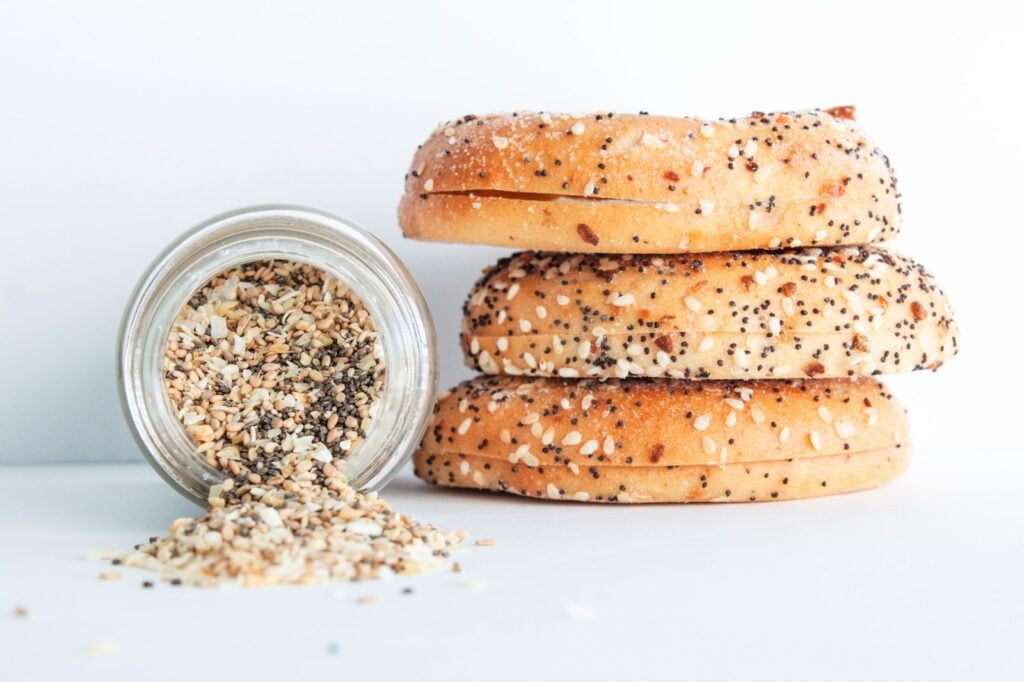
Some factory-baked breads use L-cysteine, a dough conditioner that softens dough at scale. According to the Vegetarian Resource Group, the dominant commercial sources are human hair and poultry feathers. One supplier estimated hog hair made up about 90% of the Chinese supply, used when human-hair supply ran low. A synthetic, fermentation-based version exists but holds only about 10% of the market because it costs more. You’ll see L-cysteine most often in bagels, pizza dough, croissants, and hard rolls. Brand-specific sourcing is hard to confirm and shifts over time, so the practical move is to look for “L-cysteine” on the label and contact the maker if it matters to you.
Low-fat yogurt
A few commercial low-fat and no-fat yogurts use gelatin as a thickener to get a creamy texture without the fat. That makes them non-vegetarian despite being “just dairy,” as Taste of Home notes. Some yogurts are also colored with carmine, so the red-dye check from earlier applies here too. Scan the ingredient panel for both gelatin and cochineal.
How to check the foods that seem vegetarian but arent
You don’t have to memorize every ingredient. A handful of free apps let you scan a barcode and see an instant vegetarian or vegan verdict. Here’s how to spot the foods that seem vegetarian but arent before they end up in your cart.
- Is It Vegan? — Scan a barcode and instantly see vegan, vegetarian, or animal status. It pulls from Open Food Facts plus a proprietary database of more than 400,000 products.
- Yuka — Scans both food and cosmetics, flagging vegetarian and vegan compatibility along with allergens. It had more than 80 million users as of 2026.
- Fig — You set a dietary profile, including vegetarian or vegan, and it screens products against it. It’s strong for layering allergy and restriction filters together.
- Open Food Facts — A free, open database with vegan, vegetarian, halal, and kosher labels across roughly 4 million products.
- Barnivore — The go-to for drinks. It has checked 64,557 products (34,970 beers, 22,255 wines, 5,456 liquors, and 1,876 ciders), community-verified and showing each company’s own response.
Those Barnivore numbers from its FAQ tell you how widespread animal fining really is — tens of thousands of drinks needed checking. For packaged groceries, the barcode apps are faster than reading every panel by hand. For a bottle of wine or a pint at the bar, Barnivore is the one to bookmark. Pair these tools with the label tips above and you’ll catch nearly every hidden ingredient. Browse our full restaurant guides for chain-by-chain breakdowns when you’re eating out.