Looking for KPOT vegetarian options? This all-you-can-eat Korean BBQ and hot pot chain is built around sliced pork belly, beef bulgogi, and shrimp. You can still eat well here. Just steer toward the hot pot side. Skip the shared tabletop grill. Build your own pot from tofu, mushrooms, and a genuinely long list of vegetables. You pay the same all-you-can-eat price as the meat-eaters at your table. Dragged along by friends who forgot to ask what about the vegetarians? Here’s exactly what to order, what to skip, and where the menu quietly hides meat or seafood.
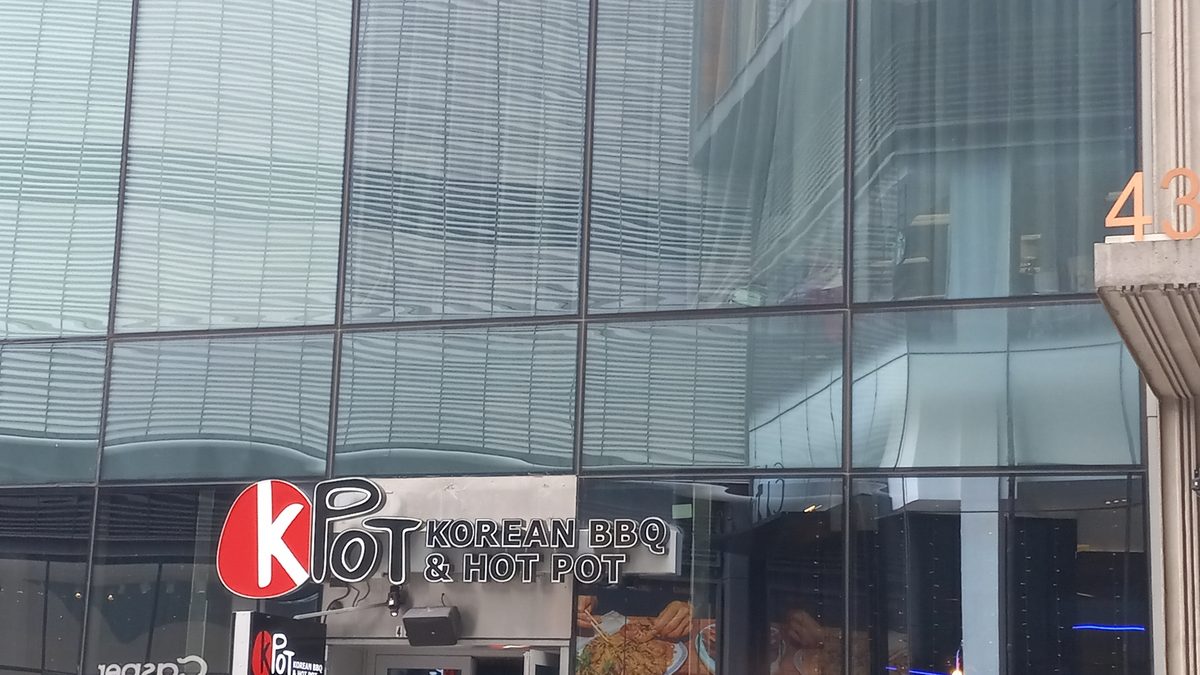
A Quick Look at KPOT
Four friends from different corners of the restaurant industry opened the first KPOT in East Brunswick, New Jersey, in 2018. Their idea combined two formats that usually compete for the same real estate. Diners get do-it-yourself Korean BBQ at a shared tabletop grill, plus individual hot pot with a personal burner and pot for each person. Both come at one all-you-can-eat price.
Growth since then has been fast. Nation’s Restaurant News tracked KPOT going from three restaurants at the end of 2020 to about 80 by mid-2024. That growth rate named it one of the fastest-growing chains in the Technomic Top 500 report two years running. A pop-up event in Times Square marked KPOT’s 100th location in April 2025. Trade coverage from FSR Magazine and NJBIZ puts the count at roughly 120 restaurants by 2026, spread across more than 30 states. Almost every KPOT is franchised. Vertex Hospitality Group also runs Hook & Reel, Kinya Ramen, and Ugly Dumpling, and now operates the brand. New openings keep landing, including KPOT’s first restaurant in Minnesota plus fresh locations in Texas, Louisiana, and Virginia through 2026.
How KPOT’s All-You-Can-Eat Format Actually Works
Your table chooses Korean BBQ, hot pot, or both for a small per-person upcharge, around $5 at the Middletown, New York location. Korean BBQ means raw meat and seafood cooked on a shared grill built into the table. That’s not much use to a vegetarian beyond a few grilled vegetables. Hot pot is the format that actually works. Pick a soup base, then help yourself to raw ingredients from self-serve islands and cook them in your own pot. Pricing varies by location. Middletown’s posted menu lists lunch at $20.99 for adults (Monday through Friday, before 4 p.m.) and dinner at $31.99 (after 4 p.m. weekdays, all day weekends and holidays). There’s a two-hour dine-in limit, plus a food-waste surcharge if you order more than you eat.

KPOT Vegetarian Options: What to Order
KPOT doesn’t print a vegetarian menu or mark any dish with a leaf icon. You’re building your own plate from the hot pot side of the buffet. Here’s how the real menu items break down for KPOT vegetarian options, pulled directly from an official KPOT dine-in menu.
| Menu Item | Vegetarian | Vegan |
|---|---|---|
| Soft Tofu, Fried Tofu, Frozen Tofu | ✅ Yes | ✅ Yes |
| Fried Tofu Skin, Bean Curd Stick, Fried Dough Stick | ✅ Yes | ✅ Yes |
| Hot pot vegetables (bok choy, napa, spinach, mushrooms, corn, lotus root, taro, yam, etc.) | ✅ Yes | ✅ Yes |
| Vermicelli, sweet potato noodle, fresh pho noodle, rice cake, white rice | ✅ Yes | ✅ Yes |
| Udon and ramen noodle | ✅ Yes | ✅ Yes |
| Grilled vegetables on the BBQ side (eggplant, zucchini, pineapple, mushrooms, onion, pepper, garlic) | ✅ Yes | ✅ Yes |
| Tomato, Mushroom, Healthy Herbs, and Japanese Miso soup bases | ✅ Yes | ✅ Yes |
| Korean Seafood Tofu and Golden Chicken soup bases | ❌ No (seafood or chicken base) | ❌ No |
| Kimchi and other banchan | ✅ Yes | ✅ Yes |
| Dipping sauces (sriracha, sesame oil, chili garlic, hoisin) | ✅ Yes | ✅ Yes |
| Soft-serve ice cream | ✅ Yes | ❌ No (dairy) |
The Soup Base Trap: Which Broths Are Actually Meatless
KPOT’s official menu lists 10 soup bases and a wide variety of dishes, and this is where most vegetarian mistakes happen. Two are clear no-gos by name alone: Korean Seafood Tofu and Golden Chicken. Other names sound safe: Thai Tom Yum, Szechuan Spicy, Tomato, Healthy Herbs, Japanese Miso, Mushroom, KPOT Special, Gluten Free. None of them carry a printed vegetarian label, though. Some KPOT locations have told customers on social media that the tomato and mushroom bases are vegetarian. That’s a location-by-location answer, not a printed guarantee, so confirm with your server before you order. Authentic Korean kimchi deserves a second look too. Real kimchi is usually fermented with fish sauce or salted shrimp. KPOT hasn’t published anything saying its version is different, so treat the banchan kimchi as likely non-vegetarian unless a manager tells you otherwise.
The Korean BBQ Side: Slim Pickings for Plant-Based Grilling
Your vegetarian options shrink fast if the table orders Korean BBQ instead of hot pot. That side of the menu is built for meats, not vegetables. Its vegetable section covers eggplant, pumpkin, potato, corn, zucchini, pineapple, four kinds of mushroom, onion, pepper, green leaf lettuce, garlic, and rice. There’s no tofu or plant-based protein anywhere on the BBQ side. Meat items like beef bulgogi, spicy pork bulgogi, and marinated short rib fill most of the menu, and the vegetables just grill on the same surface as that beef, pork, and seafood. Vegetarians whose group wants the grill experience should pay the combo upcharge instead. That gets you a real hot pot full of KPOT vegetarian options on the side, instead of grilled onions and rice for the whole meal.
What’s Vegan at KPOT?
The soy bean section covers you well and adds real variety. Soft tofu, fried tofu, frozen tofu, fried tofu skin, bean curd stick, and fried dough stick are all plant-based. The hot pot vegetable list is long enough to build a full pot without repeating yourself. Add bok choy, napa cabbage, spinach, watercress, broccoli, seaweed knots, mung bean sprouts, mushrooms of several kinds, lotus root, taro, yam, and sweet potato. Vermicelli, sweet potato noodles, fresh pho noodles, and rice all cook fine in a vegetable-forward pot. The soup base is the real gap. Nothing on KPOT’s printed menu carries a vegan label, so a strict vegan should ask a manager which base skips meat, chicken, and seafood stock rather than assume from the name. That combination alone covers most vegan and KPOT vegetarian options for a full meal. Soft-serve dessert is off the table since it’s dairy-based.
Special Dietary Requirements and Allergies
KPOT is a dine-in-only, self-serve dining format, and real cross-contact risk comes with that. Raw meat, poultry, and seafood sit in the same buffet islands as the vegetables and tofu. Servers cook everyone’s hot pot broth at the same station. KPOT’s own printed menu warns that eating raw or undercooked meat, poultry, seafood, shellfish, or eggs can raise your risk of foodborne illness. It also asks guests to tell their server about any food allergy. Udon and ramen noodles don’t disclose egg content on the menu, so ask if that matters to you. Nobody’s soup base at KPOT carries an official vegetarian or vegan label. The safest move for anyone with a strict diet or allergy is asking your server directly rather than guessing from the name on the menu board.
Tips for Vegetarians at KPOT
- Remember that most KPOT vegetarian options live on the hot pot side, not the grill, so choose hot pot or pay the small combo upcharge so you get a real pot alongside the grill.
- Confirm with your server which soup base is made without meat, chicken, or seafood stock before you commit. Don’t assume from the name.
- Load your pot with tofu (soft, fried, or frozen), mushrooms, bok choy, napa, lotus root, and glass noodles for a filling, protein-forward bowl.
- Skip Korean Seafood Tofu and Golden Chicken bases. Both are named for their non-vegetarian ingredients.
- Check on the kimchi before eating it. Traditional recipes use fish sauce or salted shrimp, and KPOT hasn’t said its version is different.
- Watch the shared buffet islands. Raw meat and seafood sit near the vegetables and tofu, so keep an eye out for cross-contact if that matters to you.
- Check whether pricing at your specific KPOT includes the combo upcharge before you order, since it varies by location.
Conclusion
KPOT vegetarian options are real, but they live almost entirely on the hot pot side of the menu. Skip the shared grill. Build your own pot from tofu and a genuinely wide vegetable list, and double-check the soup base and kimchi with your server before you dig in. Start with our guide to eating vegetarian and vegan at restaurants for the bigger picture on eating meat-free at chains like this. Browse our full restaurant guide directory, or check what’s vegetarian at similar chains like Gen Korean BBQ, Bonchon, and Bibibop Asian Grill.