Looking for Kura Sushi vegetarian options? The Japanese conveyor belt chain has real ones, but the menu hides a few traps. The cucumber hand roll, avocado hand roll, vegetable hand roll, kappa maki, tamago nigiri, and edamame all clear Kura’s own allergen sheet with no fish or shellfish flagged. The miso soup, the inari, and the vegetable tempura don’t. That’s the opposite of what most sushi guides assume, and it’s exactly the kind of plate-by-plate answer this site exists to give you.
A Quick Look at Kura Sushi
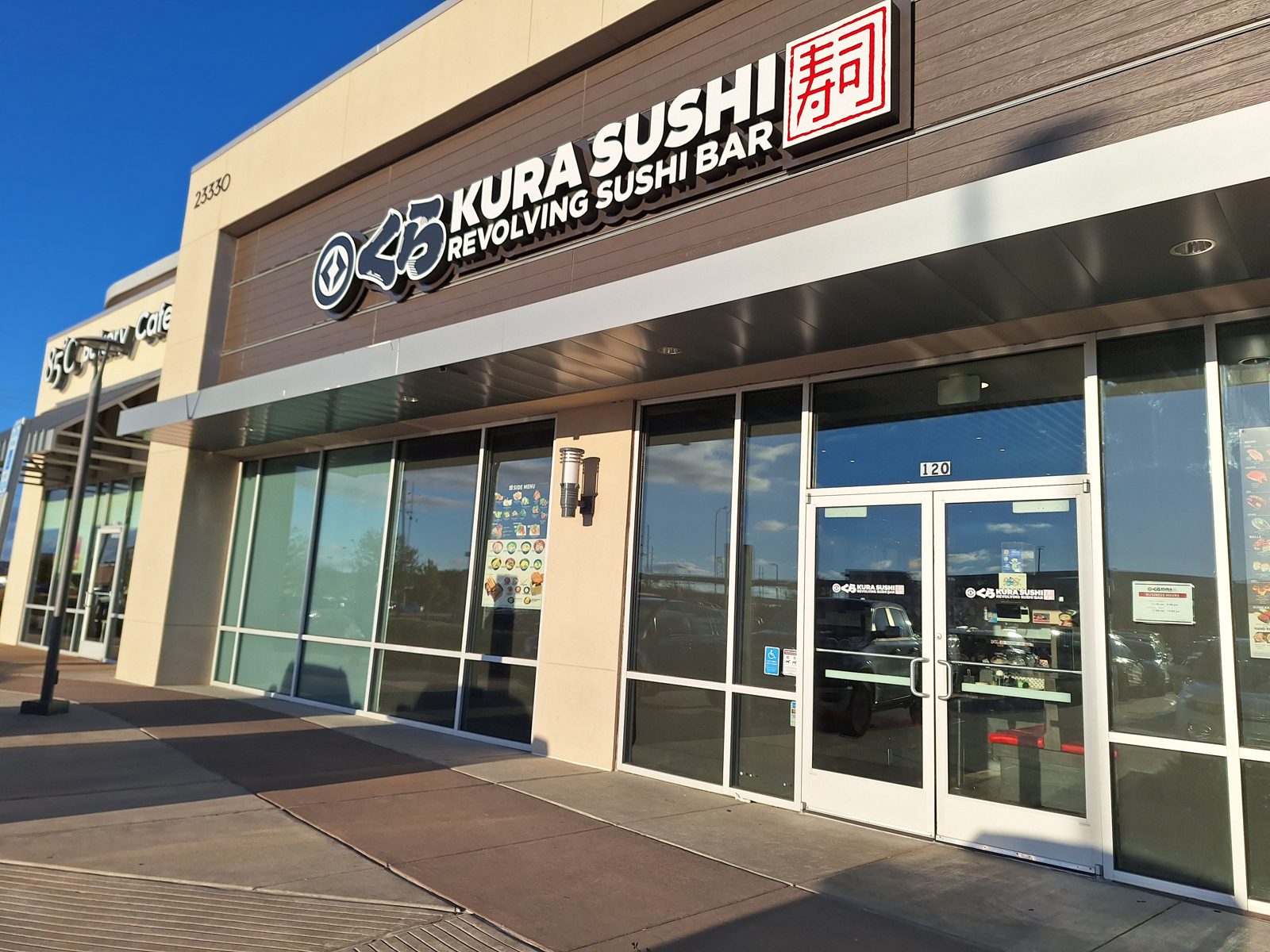
Kunihiko Tanaka opened the first Kura Sushi in 1977 in Sakai, in Japan’s Osaka Prefecture. Over the next two decades he built it into one of Japan’s biggest kaiten-zushi (conveyor belt sushi) chains. Its parent, Kura Corporation, trades on the Tokyo Stock Exchange under ticker 2695. It now runs several hundred restaurants across Japan and Asia under the Kura Sushi and Muten Kura Sushi names.
Growth in the US started small. A subsidiary called Kula West Irvine opened the first American location in Irvine, California, in 2009, then reorganized as Kura Sushi USA, Inc. in 2017. Kura Sushi USA went public on the Nasdaq (ticker KRUS) in August 2019 at $14 a share, when it had just 22 restaurants in five states. Growth since then has been fast and steady. By mid-2026 the chain had reached 94 locations across 24 states plus Washington, D.C., with new restaurants opening that year in Charlotte, Tulsa, and the Kansas City suburbs. It posted $282.8 million in systemwide sales for fiscal 2025, up almost 19% from the prior year. Management told investors to expect roughly $330 million for fiscal 2026.
Growth hasn’t been a straight line lately. Comparable sales fell 2.5% in the first quarter of fiscal 2026, rebounded 8.6% in the second, then slipped 0.4% in the third. The company also flagged rising food costs tied to tariffs on imported ingredients in its July 2026 earnings call. That doesn’t change what’s on the menu. It’s just worth knowing the chain you’re reading about is a real, publicly traded business reporting real numbers, not a press release.
What makes Kura different from a sit-down sushi restaurant is the belt. Small plates circle the dining room on a conveyor and you grab what looks good. A tablet at your table handles anything that isn’t already passing by, hot food, drinks, dessert. Every fifth empty plate you drop in the table slot triggers a short animation. Every fifteenth one earns a capsule prize through a game called Bikkura-Pon. A roughly four-foot robot named Kur-B delivers drinks and condiments table to table. Part restaurant, part arcade. You aren’t picking from a printed menu, you’re picking off a moving belt, and that changes how you eat vegetarian here. Knowing what’s safe before you sit down actually matters.
Kura Sushi Vegetarian Options: What to Order
Here’s the full rundown, checked against Kura Sushi’s own allergen information sheet. “Vegetarian” means no meat, poultry, or seafood as a listed ingredient. “Vegan” also rules out egg and dairy. Where Kura’s sheet flags fish or shellfish for a dish that looks meat-free, we marked it a check, not a yes, because the company’s own paperwork says so.
Pricing is simple once you know the system. Belt plates run one flat price that’s crept up over time, roughly $3.40 in mid-2024 and closer to $3.75 by early 2025. Off-belt items you order through the tablet, tamago, edamame, desserts, and the questionable trio above, are priced individually, usually $2.50 to $6.80 each. A vegetarian meal built around hand rolls, kappa maki, tamago, and edamame runs about the same as any other plate at Kura Sushi. You’re not paying a premium to eat meat-free here, which isn’t true everywhere.
| Menu Item | Vegetarian | Vegan |
|---|---|---|
| Cucumber Hand Roll | ✅ Yes | ⚠️ Check (not officially labeled vegan) |
| Avocado Hand Roll | ✅ Yes | ⚠️ Check (not officially labeled vegan) |
| Vegetable Hand Roll | ✅ Yes | ⚠️ Check (not officially labeled vegan) |
| Kappa Maki (cucumber roll) | ✅ Yes | ⚠️ Check (not officially labeled vegan) |
| Tamago Nigiri (egg) | ✅ Yes | ❌ No (egg) |
| Edamame | ✅ Yes | ✅ Yes |
| Miso Soup | ⚠️ Check (fish flagged on allergen sheet) | ❌ No |
| Inari (fried tofu pocket) | ⚠️ Check (fish flagged on allergen sheet) | ❌ No |
| Assorted Vegetable Tempura | ⚠️ Check (fish & shellfish flagged, shared fryer) | ❌ No |
| Mochi Ice Cream / NY Cheesecake / Vanilla Ice Cream | ✅ Yes | ❌ No (dairy, egg) |
| Warabimochi | ✅ Yes | ⚠️ Check (no milk/egg listed, not officially confirmed vegan) |
| Sesame Ball | ✅ Yes | ⚠️ Check (no milk/egg listed, not officially confirmed vegan) |
| Karaage (fried chicken) | ❌ No | ❌ No |
| Takoyaki (octopus) | ❌ No | ❌ No |
Vegetarian Sushi Rolls and Hand Rolls at Kura Sushi
Your safest bets ride the belt in plain sight. Cucumber hand roll (50 calories) and avocado hand roll (90 calories) are simple, cheap, and confirmed free of fish and shellfish on Kura’s allergen sheet. Kappa maki, the classic cucumber roll cut into rounds, is the same story. Vegetable hand rolls bundle a mix of vegetables into a cone of rice and nori for a little more variety. None of the four carry a fish or shellfish flag, and Kura offers soy paper in place of seaweed if you want a different wrap.
Tamago nigiri, a slice of sweet egg omelet over rice, is a solid option if you eat eggs and want something off the belt that isn’t raw. Edamame, plain boiled soybeans in the pod, is the closest thing to a guaranteed-safe hot dish, and it’s cheap. None of these five items require asking your server anything. They’re the backbone of an actual meal here, not just a side you pick at while everyone else eats.
The Kura Sushi Items That Look Vegetarian but Aren’t
This is the part most vegetarian guides get wrong. Three dishes at Kura Sushi look like safe, obvious vegetarian picks, and none of them are confirmed as such. Kura’s own allergen PDF lists fish for the miso soup, the inari, and the “Assorted Vegetable Tempura.” That’s not a guess, it’s the company’s own paperwork.
Miso soup is the least surprising of the three once you know how it’s usually made. Most Japanese restaurants build dashi, the stock underneath miso soup, with bonito flakes, a dried, smoked fish product. Kura hasn’t published its exact recipe, but the fish flag on the allergen sheet lines up with standard dashi. Inari, a pocket of fried tofu over sushi rice, trips people up because tofu itself is vegan. Here’s the catch: commercial fried tofu pockets are commonly simmered in a bonito-based liquid before they’re stuffed. That would explain why Kura flags fish there too.
Vegetable tempura most likely picks up its fish and shellfish flag from the fryer it shares with shrimp and fish tempura on the same line, not from an ingredient in the batter itself. Either way, treat all three as off-limits if avoiding fish matters to you. Don’t assume a dish is meat-free just because the name says “vegetable” or “tofu.”
What’s Vegan at Kura Sushi?
Kura doesn’t put a vegan label on anything, so nothing here is an official claim, it’s what the allergen sheet supports. Cucumber, avocado, and vegetable hand rolls, plus kappa maki, list no fish, shellfish, egg, or dairy. That makes them the closest thing to a confirmed vegan order on the belt. Edamame, plain soybeans, is also a safe bet. Warabimochi (a chewy rice-flour dessert dusted in soybean powder) and the sesame ball skip milk and egg on the allergen sheet too, likely vegan by process of elimination, though Kura hasn’t confirmed either outright. Ask before you order if you want certainty. Everything else sweet on the menu, mochi ice cream, cheesecake, taiyaki ice cream, lists dairy and egg and is out.
Special Dietary Requirements and Allergies at Kura Sushi
If you’ve read other write-ups on vegetarian options at Kura Sushi, some list the miso soup and inari as safe picks. Ours doesn’t, because Kura’s own allergen sheet says otherwise, and we’d rather send you in with the accurate list than the easy one. Kura Sushi publishes an allergen information sheet on kurasushi.com and updates it periodically, the version we checked was dated July 2026. It tracks fish, shellfish, egg, milk, soy, wheat, and sesame across the menu, and it’s the most reliable source for what’s actually in a dish, more reliable than guessing from the name. Kura’s own FAQ is blunt about the limits: “Our restaurants are not allergen or gluten-free environments,” and menu items may be prepared on shared equipment and in shared fryers, so the company can’t guarantee any dish is completely free of a given allergen.
An open conveyor belt adds a wrinkle no ordinary restaurant has. Plates of raw fish, cooked seafood, and vegetarian rolls all circle the same belt and pass close to each other, though Kura hasn’t published anything confirming direct cross-contact between them. When a severe allergy is in play, skip the belt. Order everything through the tablet instead, which sends the request straight to the kitchen rather than pulling a plate that’s already been sitting out. Ask staff for a fresh allergen sheet at your table, since printed versions can lag behind the online PDF.
Tips for Vegetarians at Kura Sushi
- Order your vegetarian picks through the tablet instead of pulling them off the belt if you want them made fresh in the kitchen rather than sitting out.
- Don’t assume the miso soup, inari, or vegetable tempura are meat-free. Kura’s own allergen sheet flags fish on all three.
- Stick to the cucumber, avocado, and vegetable hand rolls plus kappa maki. Those four have no fish or shellfish flagged at all.
- Eat eggs? Add tamago nigiri and edamame, your best hot and cooked options beyond the rolls.
- Ask for soy paper instead of nori if you want a heartier wrap on your hand roll.
- Check kurasushi.com for the current allergen PDF before you go. That page changes, and older printed copies at the restaurant can lag behind it.
- Empty plates count toward the Bikkura-Pon prize game no matter what was on them, so a vegetarian meal doesn’t cost you the arcade fun.
- Use the tablet to look up a dish before you pull it off the belt if you’re not sure what’s in it. It’s faster than flagging down a server, and it’s how you order the off-belt items in the first place.
Conclusion
Kura Sushi vegetarian options are real, and a few of them are genuinely good: the avocado hand roll, kappa maki, edamame, and tamago nigiri if you eat eggs. The catch is that the chain’s own allergen sheet rules out three dishes almost everyone assumes are safe. Read it before you order, or just stick to the list above. For the bigger picture on eating out as a vegetarian, see our guide to eating vegetarian and vegan at restaurants, or browse every chain we’ve covered in the restaurant guide directory. If you’re after more Asian-inspired vegetarian options, see what we found at Gen Korean BBQ, P.F. Chang’s, and Din Tai Fung.