If you need a vegetarian glossary, here’s one built around real definitions. This vegetarian glossary covers the main diet categories, from lacto-ovo to plant-based, plus the hidden non-vegetarian ingredients that trip up even careful diners. Labels matter at restaurants. A dish marked “vegetarian” at one place might share a fryer with chicken at another. Knowing the vocabulary helps you ask better questions and order with confidence. The full guide to eating vegetarian at restaurants covers how chains handle menus across the board.
How People Shorten “Vegetarian”
Two informal shortenings show up in everyday use: “veg” and “veggie.”
“Veg” is British English. In the UK and Australia, someone might say they’re “a veg” and mean vegetarian. In American English, “veg” almost always refers to vegetables, not the diet. The same two letters mean different things depending on where you are.
“Veggie” is more universal. Americans use it to mean someone who doesn’t eat meat and as an adjective for meat-free options (“veggie burger,” “veggie patty”). It’s part of official product names like Subway’s Veggie Delite. Friendlier than “veg,” and harder to misread.
Neither shortening appears on ingredient labels, allergy menus, or restaurant allergen guides. When you’re checking packaging or asking kitchen staff, look for the full word “vegetarian.”
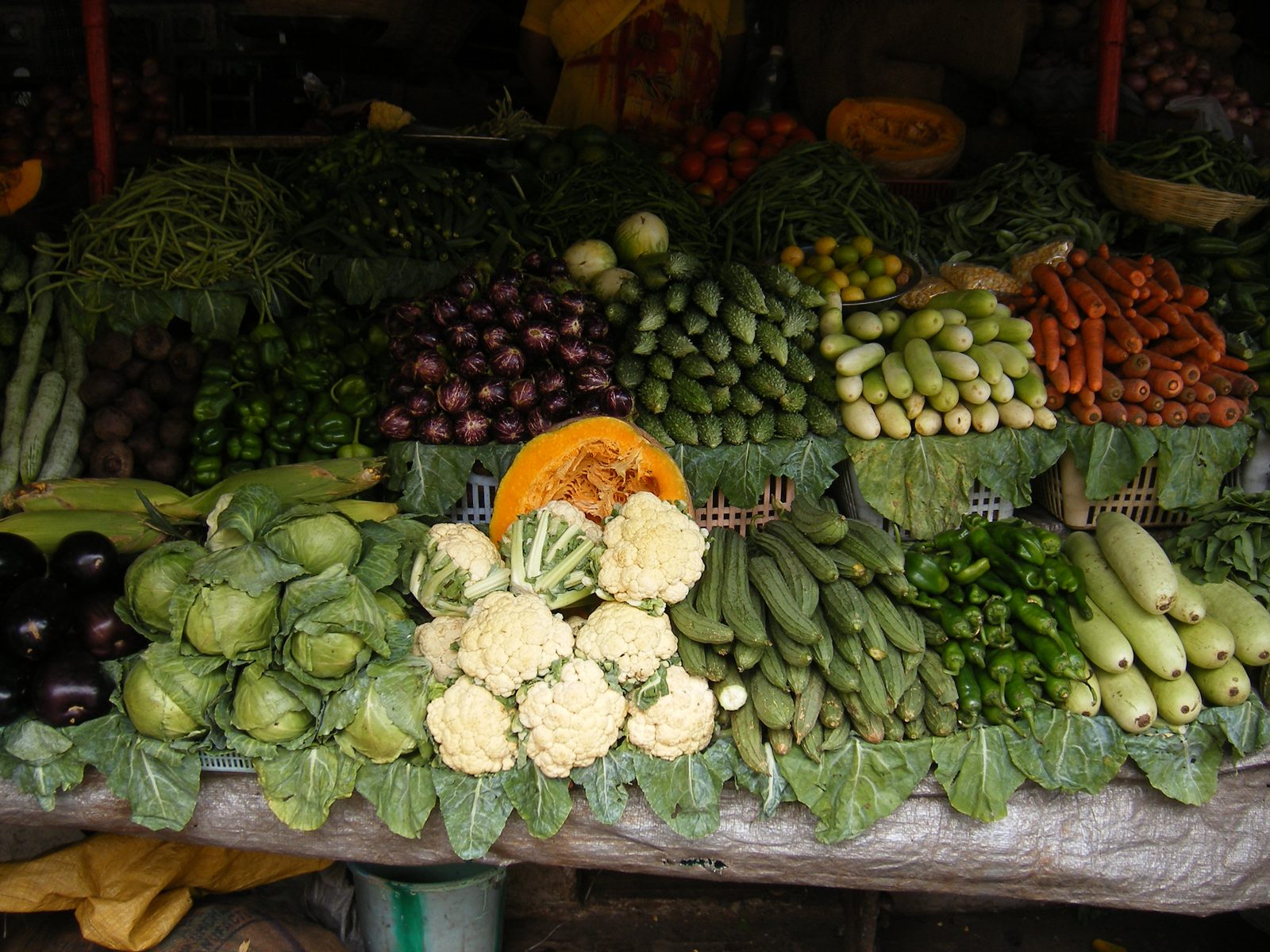
Vegetarian Glossary: Types of Vegetarian Diets
These are the main diet categories. They get mixed up constantly, even by restaurants. Here’s what each one actually means.
Lacto-Ovo Vegetarian
The most common type. A lacto-ovo vegetarian eats dairy products and eggs but no meat, poultry, or fish. When someone says “I’m vegetarian” without a qualifier, this is almost always what they mean. Most restaurant vegetarian menus are designed with this category in mind. The name comes from Latin: lacto (milk) and ovo (egg).
Lacto Vegetarian
A lacto vegetarian eats dairy but not eggs. No meat, no poultry, no fish. Many people who follow South Asian Hindu or Jain traditions fall into this category for religious reasons. At a restaurant, this means checking for egg in pasta dough, baked goods, sauces, and salad dressings, all places where egg hides without much warning.
Ovo Vegetarian
An ovo vegetarian eats eggs but not dairy. No meat, no poultry, no fish, and no dairy products. This is less common in the US than lacto or lacto-ovo. Anyone who is ovo vegetarian needs to check for cheese, butter, milk, cream, and yogurt in dishes that might otherwise look safe.
Pescatarian
A pescatarian eats fish and seafood but not other meat or poultry. Pescatarian is not vegetarian. Many pescatarians avoid the vegetarian label for exactly that reason, while some restaurant menus list fish dishes under their vegetarian options anyway. If you’re strictly vegetarian, ask before ordering anything from a “vegetarian” section that includes fish.
Flexitarian
A flexitarian mostly eats plant-based foods but eats meat occasionally. The name blends “flexible” and “vegetarian.” There’s no defined limit on how often meat can appear. It might be once a week, once a month, or just at the holidays. It’s a direction, not a strict category.
Vegan
A vegan eats no animal products at all. No meat, no poultry, no fish, no dairy, and no eggs. Most vegans also avoid honey. Veganism often extends beyond diet to clothing, personal care products, and household items. The Vegan Society defines it as a philosophy and way of living that seeks to exclude, as far as is possible and practicable, all forms of exploitation of and cruelty to animals. On a restaurant menu, a vegan dish should contain none of those ingredients, but it’s worth asking about shared fryers and cooking surfaces.
Plant-Based
“Plant-based” gets used two ways. Some people use it as a synonym for vegan. Others use it to describe a diet focused mainly on plants but still including small amounts of animal products. The term has no strict regulatory definition. A plant-based menu item might still contain dairy or eggs, so it’s worth asking what the kitchen means before you assume.
Hidden Ingredients That Aren’t Vegetarian
Beyond the diet categories above, any complete vegetarian glossary needs to cover the ingredients that catch people off guard. These show up in dishes that look vegetarian on the surface.
Gelatin
Gelatin is made from boiled animal bones, skin, and connective tissue, usually from pigs or cattle. It creates the texture in marshmallows, Jell-O, and most gummy candies. It also appears in some yogurts, panna cotta, mousse, and many packaged desserts. Gelatin is used as a fining agent in some wines and beers, added during production to clarify the liquid. It’s typically filtered out before bottling, but traces may remain. Check the label on anything with a soft, jiggly, or chewy texture.
Rennet
Rennet is an enzyme used to curdle milk during cheese-making. Animal rennet comes from the stomach lining of young calves, lambs, or goats. Most aged hard cheeses use it, including Parmigiano-Reggiano, Pecorino Romano, Manchego, and Grana Padano. Protected designation cheeses like Parmigiano-Reggiano are required by their protected status to use animal rennet, making them not vegetarian by strict definition. Many other cheeses now use microbial or vegetable-derived rennet instead, but the label rarely says which type. Look for “suitable for vegetarians” or “microbial enzymes” on the packaging. The Vegetarian Society publishes guidance on which cheeses are suitable for vegetarians.
Beef Tallow
Beef tallow is rendered fat from cattle. McDonald’s famously fried its french fries in beef tallow until 1990. Some independent restaurants and specialty burger spots still use tallow in the fryer, and it can appear in pie crusts and traditional British fish and chip shops. If you’re eating somewhere unfamiliar, ask what oil is used for frying.
Lard
Lard is rendered pig fat. It’s a traditional ingredient in flour tortillas, pie crusts, tamales, refried beans, and some biscuits and pastries. Many flour tortillas sold at supermarkets contain lard unless the label says otherwise. At Mexican restaurants, refried beans are often made with lard even when nothing on the menu flags it. Corn tortillas are generally lard-free. When in doubt, ask.
Chicken and Beef Stock
Stock or broth made from chicken or beef bones is one of the most common invisible ingredients in restaurant cooking. It flavors soups, risottos, rice dishes, gravies, stuffing, and braised vegetables. A soup listed as “vegetable soup” can still be based on chicken stock. A pilaf that looks safe might have been cooked in chicken broth. Always ask what the base liquid is before you order any soup or grain dish.
Fish Sauce
Fish sauce is fermented anchovies with salt. It’s a core ingredient in Thai, Vietnamese, and some Filipino cooking. Pad Thai, many stir-fries, spring roll dipping sauces, and some Thai curries contain it. Fish sauce also appears in some Caesar salad dressings and in dishes seasoned with Worcestershire sauce. If you’re eating at a Thai or Vietnamese restaurant, fish sauce is likely in most savory dishes unless the menu explicitly marks them fish-free.
Worcestershire Sauce
Standard Worcestershire sauce contains anchovies. It’s used in Caesar dressing, Bloody Marys, many marinades, and savory pan sauces. A handful of brands sell vegetarian versions, but the Lea & Perrins bottles most restaurants use are not vegetarian. If a dish or dressing contains Worcestershire, ask whether it’s a standard or fish-free version.
Carmine (Cochineal, E120)
Carmine is a red dye made from dried female cochineal scale insects. It produces a vivid red or pink color and appears in some strawberry yogurts, fruit punch, fruit-flavored candies, and certain ice creams and juices. On ingredient labels, look for “carmine,” “cochineal extract,” “carminic acid,” or “E120.” Red food coloring is often carmine unless the label specifies beet juice, lycopene, or another plant-based source.
Is It Vegetarian? A Quick Reference
Use this vegetarian glossary quick reference for the items that come up most often.
| Item | Vegetarian? | Notes |
|---|---|---|
| Standard cheese | ⚠️ Check | May use animal rennet. Look for “suitable for vegetarians” |
| Parmigiano-Reggiano | ❌ No | Protected designation requires animal rennet |
| Marshmallows | ❌ No | Contain gelatin from animal bones |
| Gummy candies | ❌ No | Contain gelatin unless labeled vegetarian or vegan |
| Refried beans at restaurants | ⚠️ Check | Often made with lard. Ask the kitchen |
| Caesar salad dressing | ⚠️ Check | Often contains anchovies and Worcestershire sauce |
| French onion soup | ⚠️ Check | Usually beef broth-based |
| Pad Thai | ⚠️ Check | Usually contains fish sauce. Ask for a vegetarian version |
| Red or pink yogurt | ⚠️ Check | May contain carmine (E120). Check the label |
| Flour tortillas | ⚠️ Check | May contain lard. Read the label or ask |
| Worcestershire sauce (standard) | ❌ No | Contains anchovies |
| Red wine | ⚠️ Check | May use gelatin or egg whites as fining agents |
The Bottom Line
The terms in this vegetarian glossary are the ones you’ll actually run into when eating out or reading labels. Lacto-ovo is the default when someone says “vegetarian.” Vegan means nothing animal at all. And the hidden ingredients, gelatin, rennet, stock, fish sauce, carmine: restaurants don’t always flag them, so it helps to know what to ask about.
For quick meals on the road, the vegetarian fast food guide breaks down what to order at over 100 chains. For a chain-by-chain look at full menus, allergens, and shared fryers, browse all the restaurant guides here.